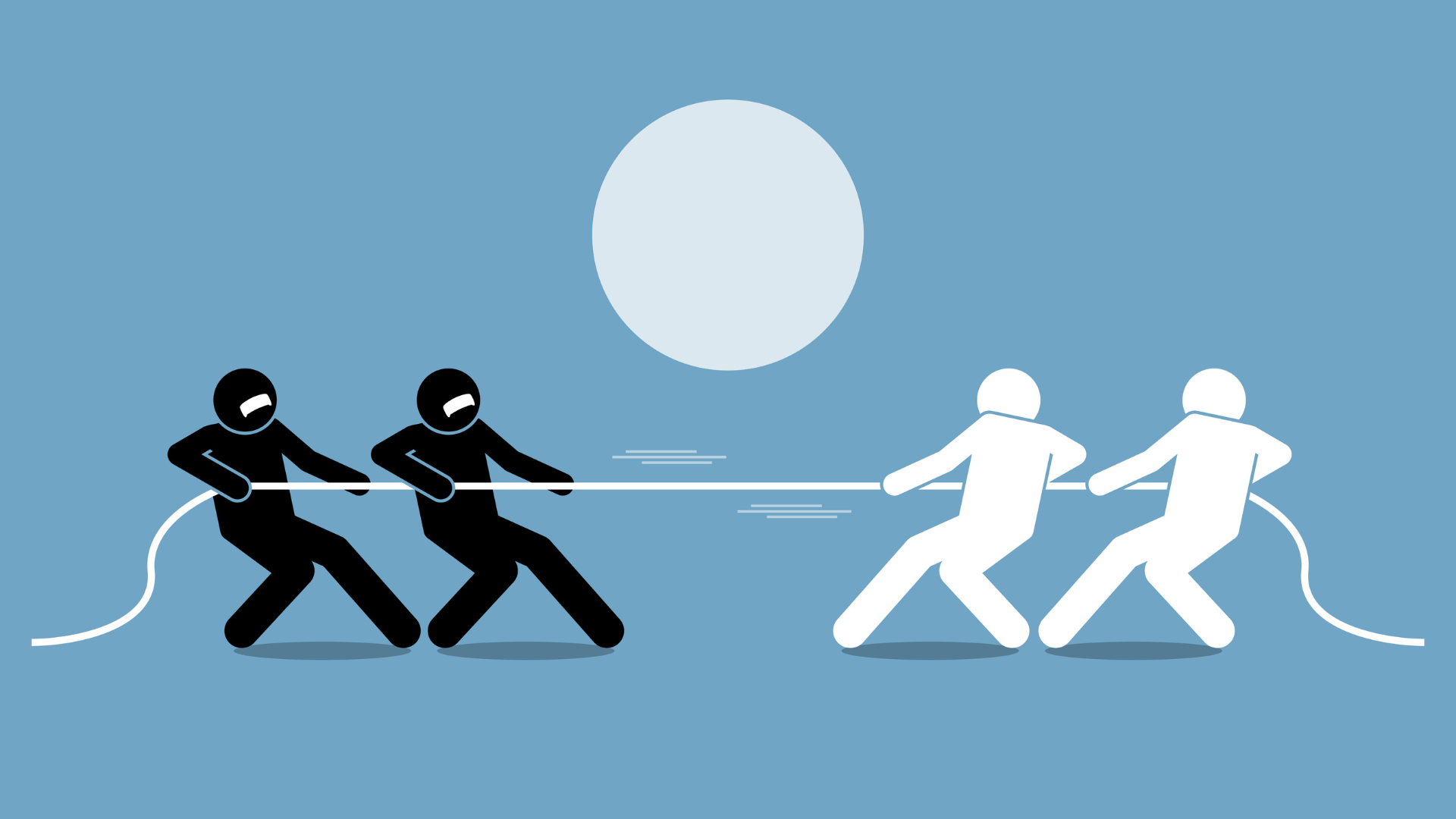
3 Leadership Traps That Follow America’s Fastest-Growing Communities

What America’s fastest-growing communities teach us about leadership under pressure: Growth Is Not the Goal. Readiness Is.
Every mayor wants to announce a new employer. Every chamber celebrates ribbon cuttings. Every economic development leader wants to see cranes on the skyline.
Growth is exciting.
Until it isn’t.
The irony of rapid growth is that the very success communities work so hard to create can become the source of their greatest challenges. Roads become congested. Housing becomes scarce. Permits take longer. Employees burn out. Infrastructure struggles to keep pace. Residents begin asking a different question—not “How fast are we growing?” but “Can our community keep up?”
For leaders, this is an important distinction.
Growth is an outcome. Readiness is a leadership discipline.
Across the country, communities are experiencing record levels of investment and population growth. SmartAsset’s 2026 Boomtowns study identified more than 400 rapidly growing cities, with Tennessee communities like Clarksville and Murfreesboro ranking among the nation’s fastest-growing markets.
But growth alone doesn’t create prosperity.
The communities that thrive over the next decade won’t necessarily be the ones growing the fastest. They’ll be the ones that build organizations capable of growing well.
Growth Exposes the Systems You Already Have
One of the biggest misconceptions about growth is that it creates problems.
It doesn’t.
Growth reveals them.
Processes that worked when a city approved 20 developments a month begin to fail when that number doubles. Communication methods that worked with a small leadership team become bottlenecks across dozens of departments and partner organizations. Hiring practices, budgeting cycles, technology, governance, and decision-making—all are placed under stress.
The same thing happens inside growing companies.
When demand increases faster than an organization’s operating model evolves, leaders spend more time reacting than leading.
That’s why rapid growth should be viewed less as an economic challenge and more as a leadership challenge.
Three Leadership Traps That Follow Rapid Growth
In our work with growing communities, we repeatedly see three patterns emerge. They’re rarely caused by a lack of vision or commitment. More often, they’re symptoms of organizations that haven’t had time to evolve as quickly as their communities have.
1. The Operational Capacity Trap
Growth increases demand on nearly every public-facing function.
Planning. Permitting. Infrastructure coordination. Public works. Utilities. Staffing.
Yet many organizations continue operating with processes designed for a much smaller community.
The result isn’t necessarily poor leadership.
It’s simply that yesterday’s operating model wasn’t built for today’s level of complexity.
2. The Livability Trap
Ironically, the very growth that attracts new residents can begin eroding the quality of life that made a community attractive in the first place.
Housing affordability declines.
Commutes lengthen.
Childcare becomes scarce.
Public safety resources stretch.
Workforce shortages intensify.
Communities eventually discover that economic development and quality of life aren’t competing priorities—they’re deeply interconnected.
3. The Fragmentation Trap
Growth rarely affects one organization.
It affects everyone.
Cities, counties, schools, utilities, healthcare systems, employers, developers, chambers of commerce, and nonprofit organizations all experience the pressure simultaneously.
Yet many continue solving interconnected problems independently.
Without alignment, communities unintentionally create duplication, conflicting priorities, and slower decision-making precisely when speed matters most.
Readiness Is Built Before It Is Needed
One lesson consistently emerges from high-performing organizations—whether public or private.
The best leaders invest in capacity before they desperately need it.
That means asking different questions.
Instead of:
“How do we process more permits?”
Ask:
“Is our operating model designed for the community we’re becoming?”
Instead of:
“How do we hire faster?”
Ask:
“What capabilities will this organization need five years from now?”
Instead of:
“How do we respond to today’s growth?”
Ask:
“What systems need to change so tomorrow’s growth becomes easier to manage?”
Leadership is often measured by how well people respond to change.
But the strongest organizations are distinguished by how intentionally they prepare for it.
From Growth to Readiness
Recently, Thrivence partnered with one of America’s fastest-growing cities after its planning department found itself under increasing strain from accelerating development activity. Population growth and permitting demand had begun outpacing internal capacity, resulting in longer approval timelines, fragmented workflows, and mounting pressure on staff.
Rather than recommending isolated process improvements, the work began with understanding the system itself.
Through leadership interviews, workflow mapping, stakeholder engagement, peer benchmarking, and operational assessment, the city gained a clear picture of where capacity constraints existed and how organizational changes could improve long-term performance. The resulting roadmap prioritized both immediate improvements and structural changes designed to help the organization scale alongside continued growth.
The lesson extends far beyond one municipality.
Whether you’re leading a city, a healthcare system, a university, or a growing company, sustainable growth depends less on how much opportunity arrives and more on how prepared your organization is to absorb it.
5 Questions Every Executive Should Be Asking
If your organization—or your community—is experiencing rapid growth, these questions are worth discussing with your leadership team:
- Are our people, processes, and technology evolving at the same pace as demand?
- Where are decisions slowing down because of outdated structures or unclear ownership?
- Which operational bottlenecks create the greatest friction for customers, citizens, or employees?
- Are we solving cross-functional challenges collaboratively, or in organizational silos?
- If growth continues for the next five years, what capabilities must we build today?
The answers often reveal that the biggest constraint isn’t opportunity.
It’s organizational readiness.
Final Thought
Communities don’t fail because they grow.
They struggle when growth outpaces leadership capacity.
The leaders who will shape the next generation of thriving communities won’t be remembered simply for attracting investment or adding population. They’ll be remembered for building organizations capable of turning growth into lasting prosperity.
Because in the end, growth is not the goal.
Readiness is.